A lake, mountains, the sea, five cities and two wine countries, all in
one region. This is what each place is like to live in, not just to visit, and what is
worth knowing before you buy there.
The eastern shore of Italy’s largest lake, a short drive from Verona: olive groves, vineyards and harbour towns, with the mountains closing in at the northern end.
Lake Garda
Verona airport, about 30 minutes
Monte Baldo rises behind the shore, and each town along the water has a character of its own. Summer is glorious and crowded; from November to March the shore goes quiet and many places close. Both are true, so I show clients the lake in both seasons before they choose. The view, the light and the price all change with every metre of height above the water.
Four towns on the eastern shore
BardolinoA wine town on a wide bay, with a long lakeside promenade and vineyards rising right behind the houses.
GardaThe town that gave the lake its name, in a sheltered bay below the headland of San Vigilio.
LaziseMedieval walls, a small harbour and one of the prettiest old centres anywhere on the shore.
Torri del BenacoQuieter and more northern in feel, with a castle on the water and the car ferry across the lake.
The cities
Five cities within an hour of one another, each with its own pace and its own reasons to live there.
Venice
Venice airport, about 30 minutes by water taxi
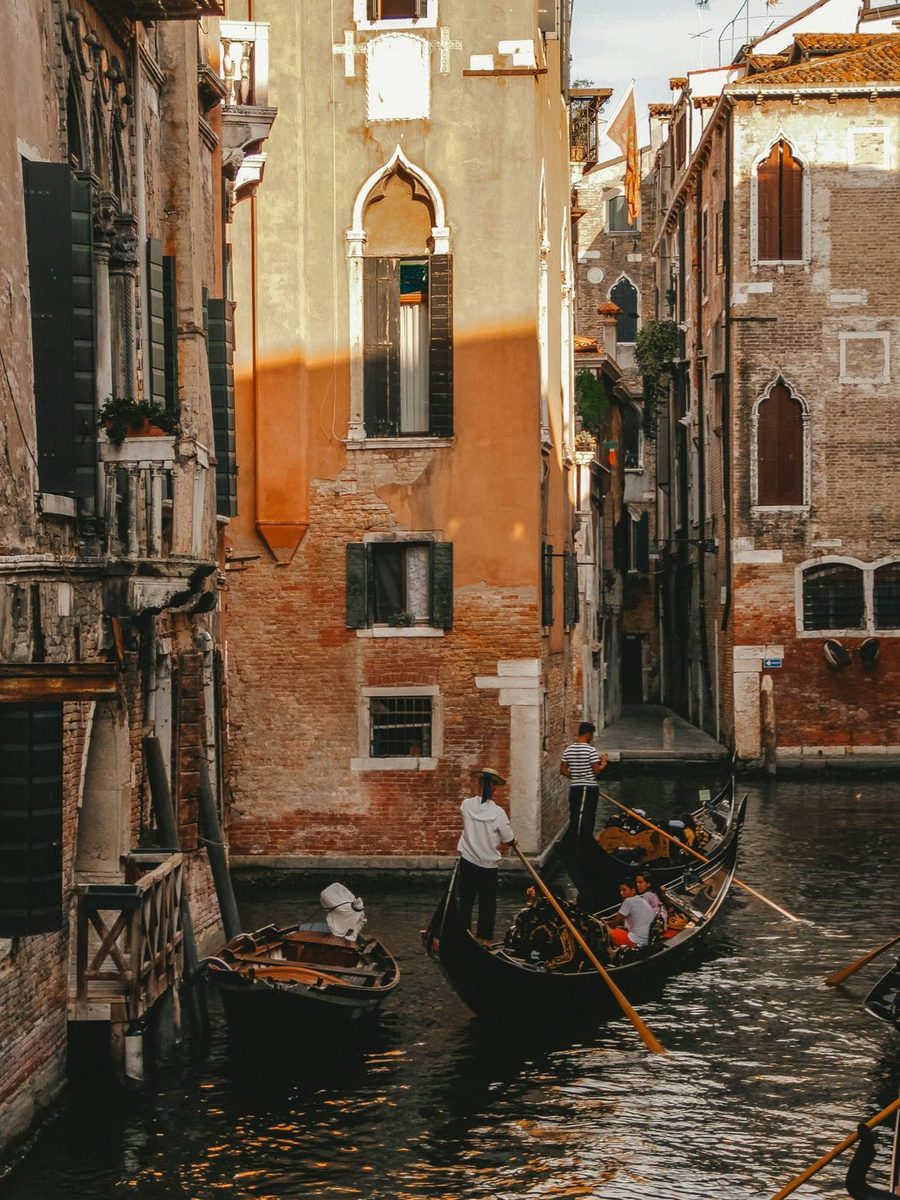
There is nowhere like it, and owning here is unlike owning anywhere else. A small flat on a quiet campo, a piano nobile above a canal, a house on the Giudecca with a garden: the choice is wider than most people expect. Life is on foot and by boat, the tide still decides which floor you want, and almost every building is protected. The best places to live are rarely the ones on the postcards.
Verona
Verona airport, about 20 minutes
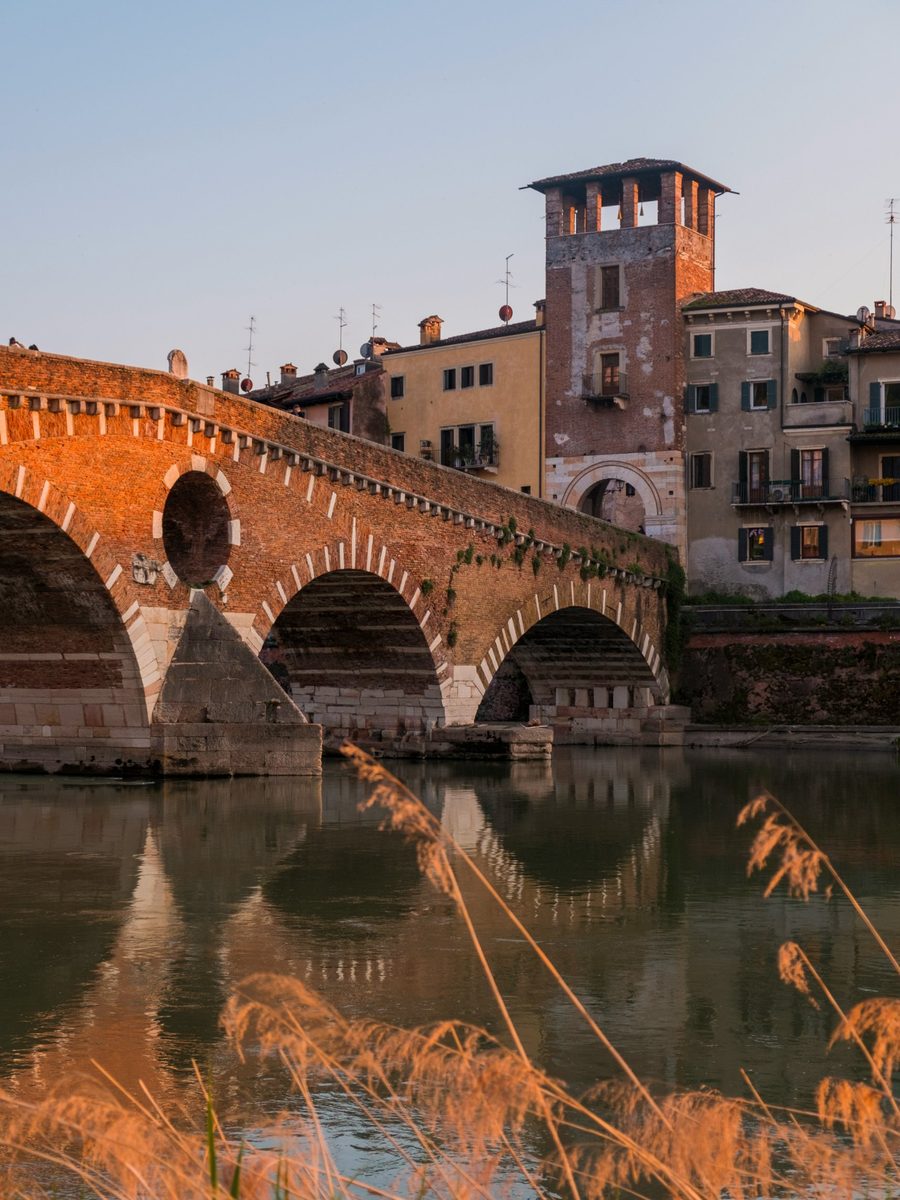
Roman, medieval and Venetian all at once, and a city people genuinely live in. Opera in the Arena on summer nights, the Adige curving around the old centre, the vineyards of Valpolicella a short drive north and Lake Garda about half an hour west. Flats in the historic centre are scarce and hold their value; the hillside districts above the river offer gardens and views over the whole city.
Vicenza
Verona or Venice airport, under an hour
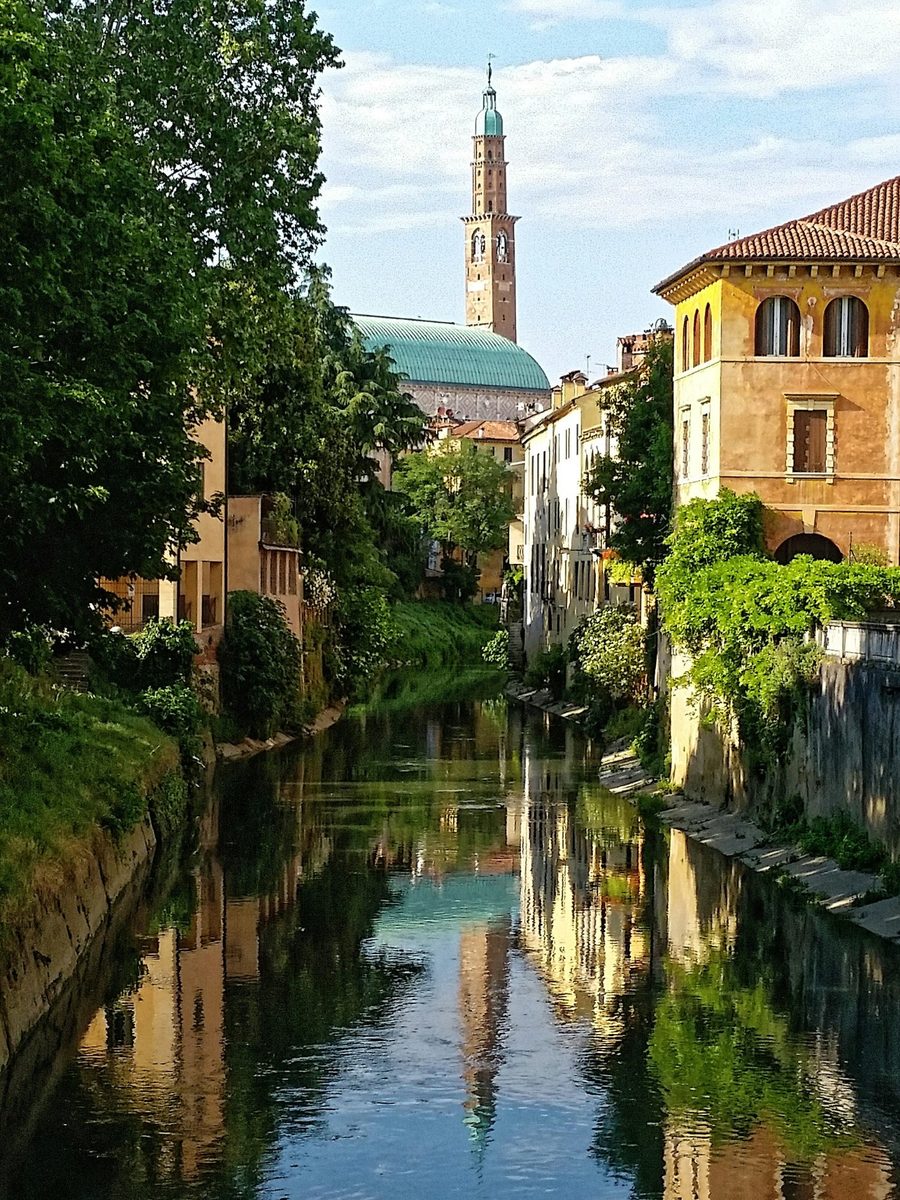
Palladio’s city and a UNESCO World Heritage Site, with his villas scattered across the countryside and the Berici hills just south of the centre. Elegant, prosperous and calmer than its neighbours. It is my home ground, and home to a large American community around the US Army base, which makes it one of the easiest places in Italy to settle in English.
Padova
Venice airport, about 40 minutes
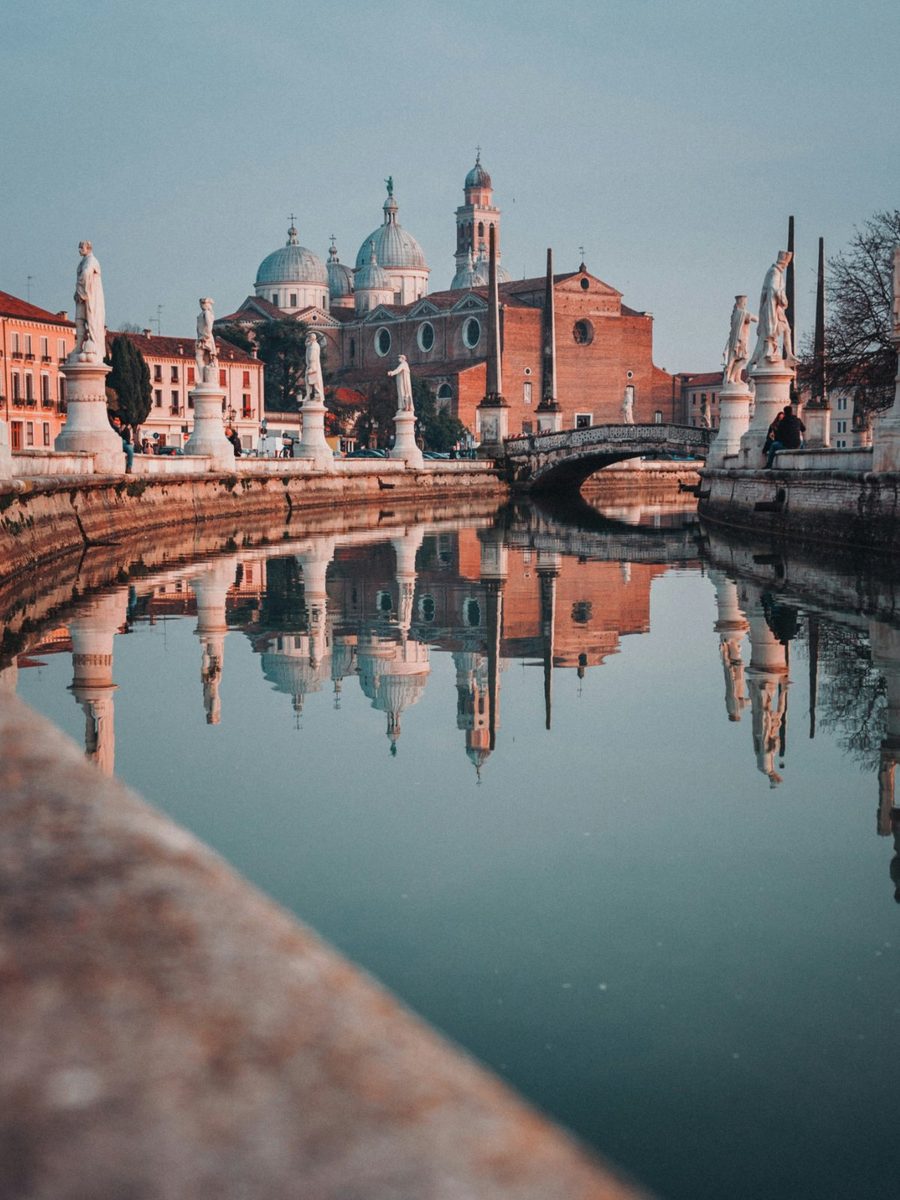
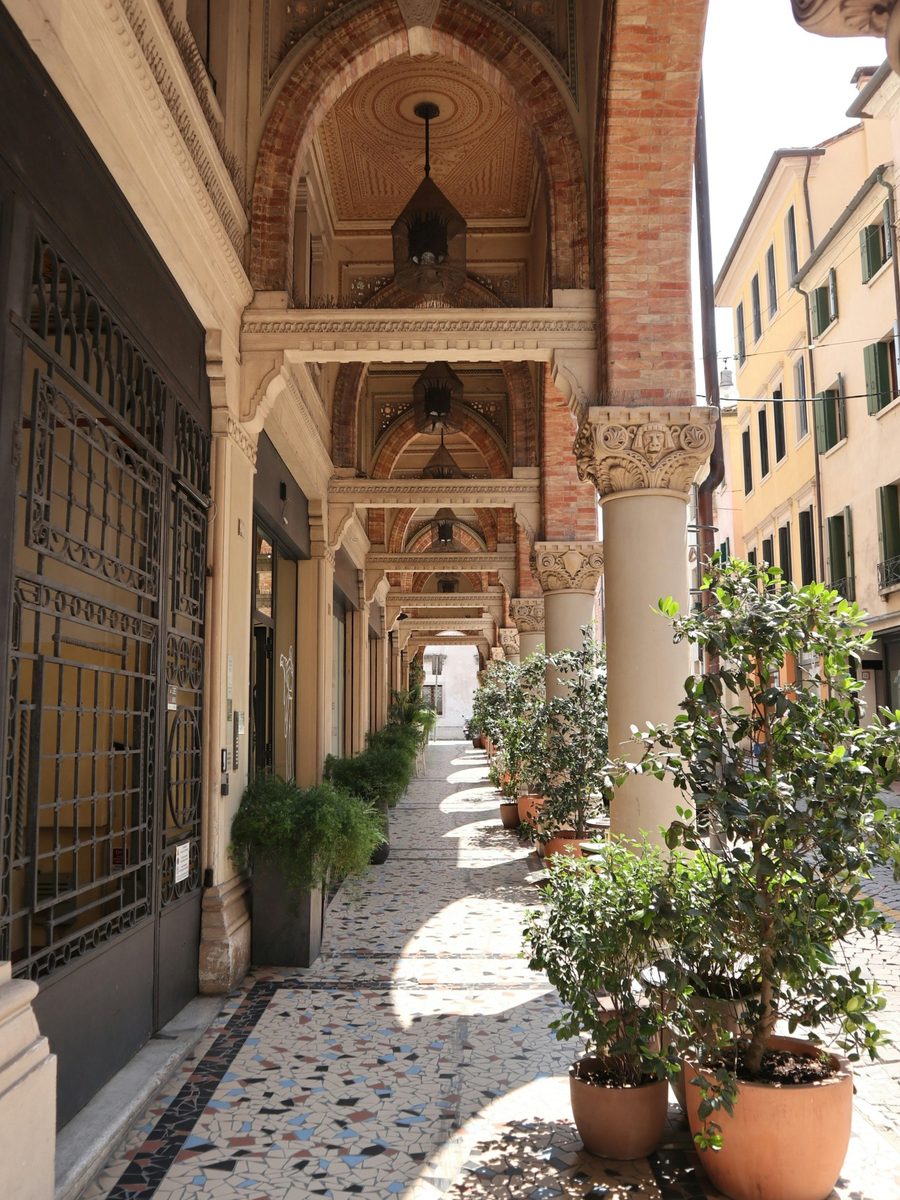
A university city since 1222, young and lively, with arcaded streets, Giotto’s frescoes in the Scrovegni Chapel and the oldest university botanical garden still in its original place. Venice is under half an hour away by train, which makes Padova a practical base for anyone who wants the lagoon close at hand without its prices or its crowds.
Treviso
Treviso airport, ten minutes
Small, green and quietly prosperous, with canals running between its old houses and a pace of life entirely its own, though Venice is only half an hour away. It claims tiramisù as its invention, the Prosecco hills begin just to the north, and it has its own airport ten minutes from the centre. A place for people who want everyday Italian life, done well.
The wine hills
Two wine countries and two very different landscapes: Amarone in the valleys above Verona, Prosecco on the steep hills towards the Dolomites.
Valpolicella
Verona airport, about 30 minutes
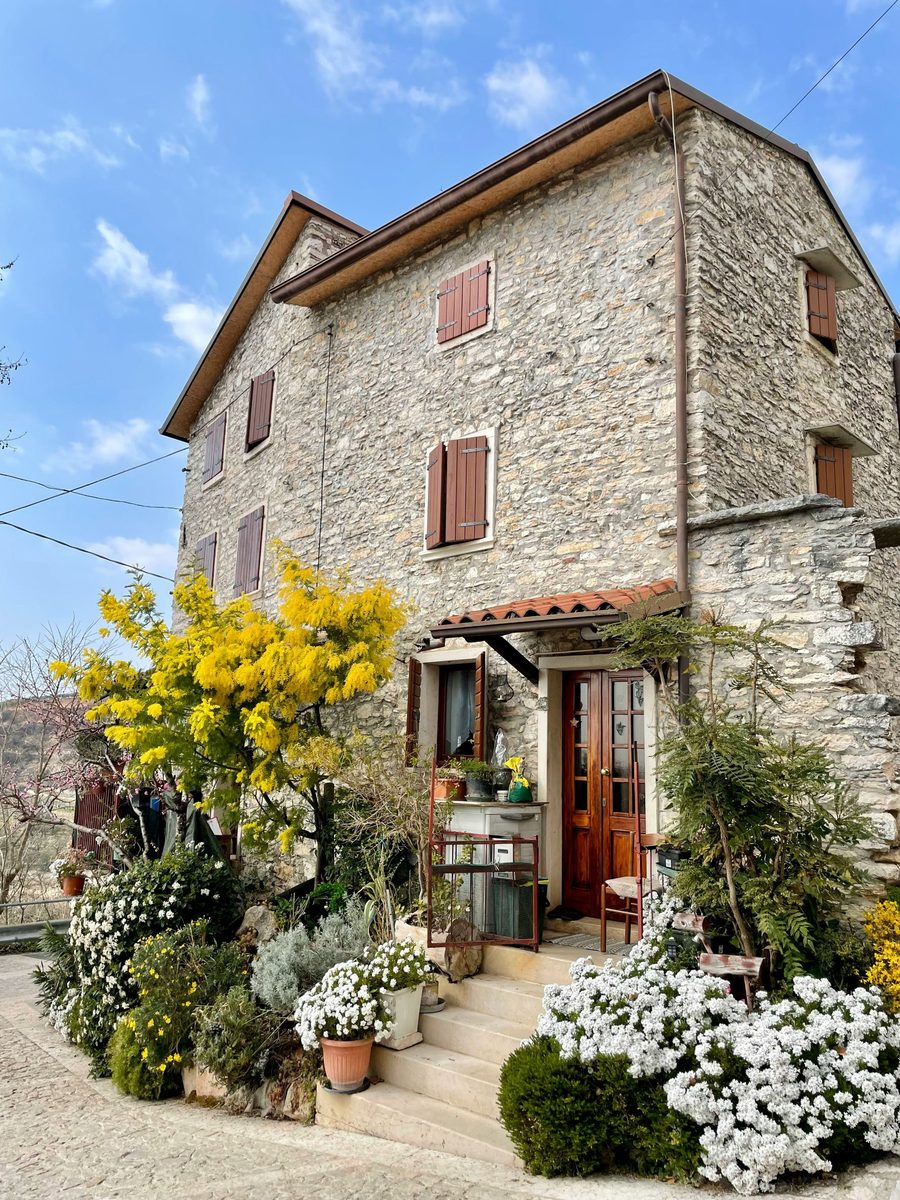
The valleys just north of Verona where Amarone is made: terraced vineyards, olive groves, Venetian villas, stone farmhouses and family cellars. The city is twenty minutes away and the lake not much further, yet it feels like another world, with the harvest still setting the rhythm of the year. Houses with land need careful checking, because agricultural rules decide what can be restored and how.
Valdobbiadene and the Prosecco hills
Treviso or Venice airport, about an hour
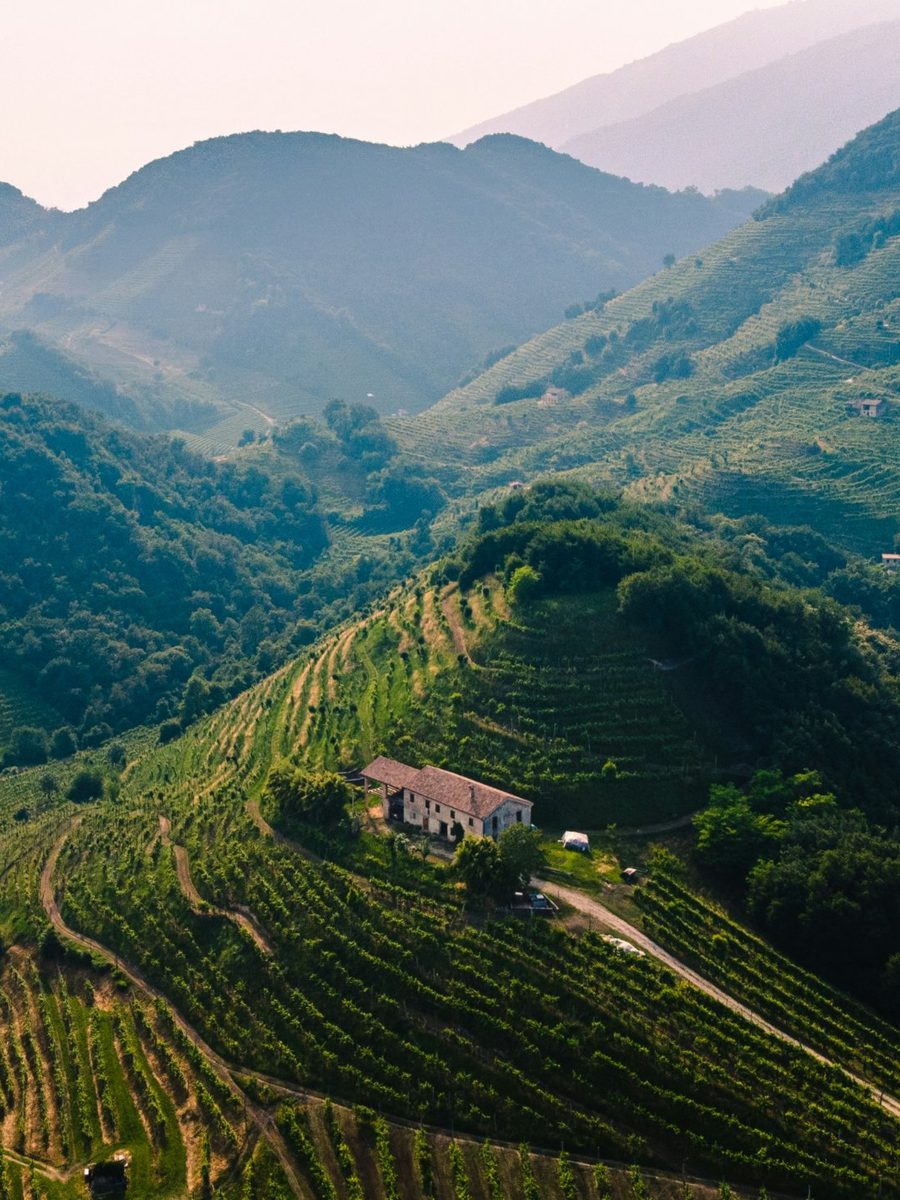
Steep, astonishingly green hills between Valdobbiadene and Conegliano, where the finest Prosecco is made, listed by UNESCO as a World Heritage Site in 2019. Villages along the ridges, vines on slopes so steep they are still worked by hand, and some of the loveliest countryside in Italy, which most foreigners have never heard of. Venice is about an hour away, and the Dolomites not much further.
The mountains
Two very different mountains: one of the most famous resorts in the world, and a plateau the Venetians tend to keep to themselves.
Cortina d’Ampezzo
Venice airport, about 2 hours
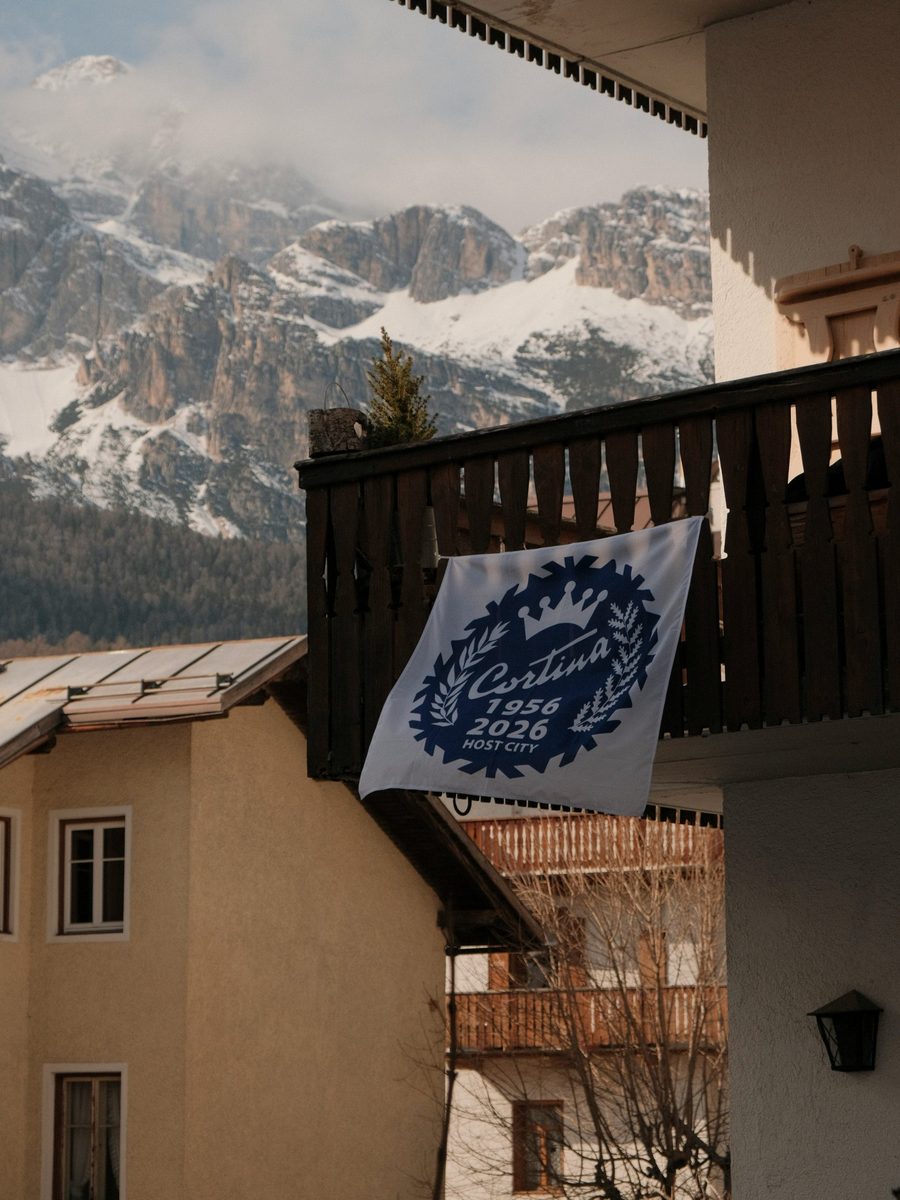
The queen of the Dolomites, surrounded by peaks that UNESCO lists as World Heritage, and twice an Olympic town, in 1956 and again with Milan in 2026. Skiing in winter, walking and climbing in summer, and a smart, international crowd all year round. It is among the most expensive places to buy in the Alps; homes rarely come up, and the best ones are seldom advertised.
Asiago
Verona or Venice airport, about an hour and a half
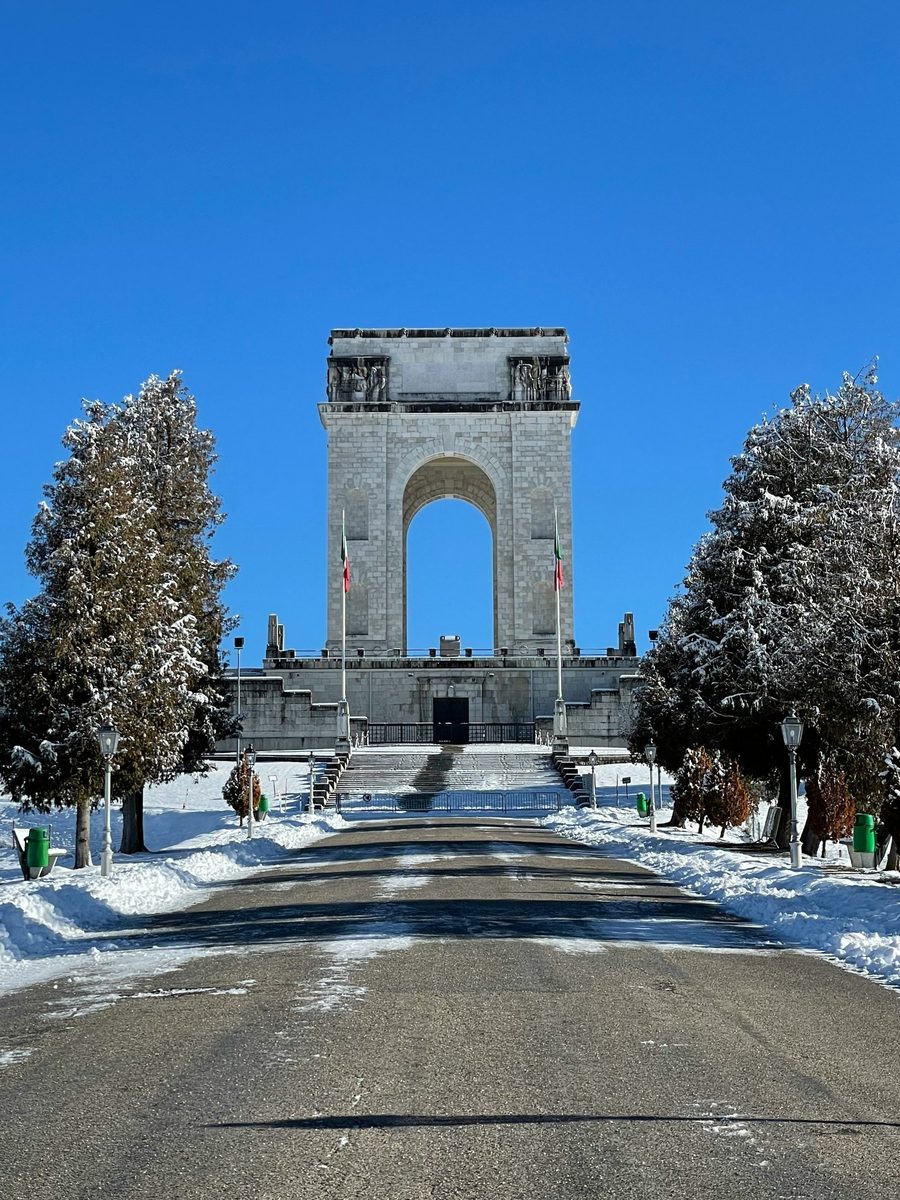
A high plateau a thousand metres up, north of Vicenza: wide meadows, pine forests, cross-country skiing and the cheese that carries its name. Families from Vicenza and Padova have kept second homes here for generations. It is relaxed, unpretentious and far more affordable than the Dolomite resorts, and its First World War memorials are a reminder of how much history this quiet place has seen.
The sea
The Adriatic coast, under an hour from Venice.
Jesolo
Venice airport, about 40 minutes
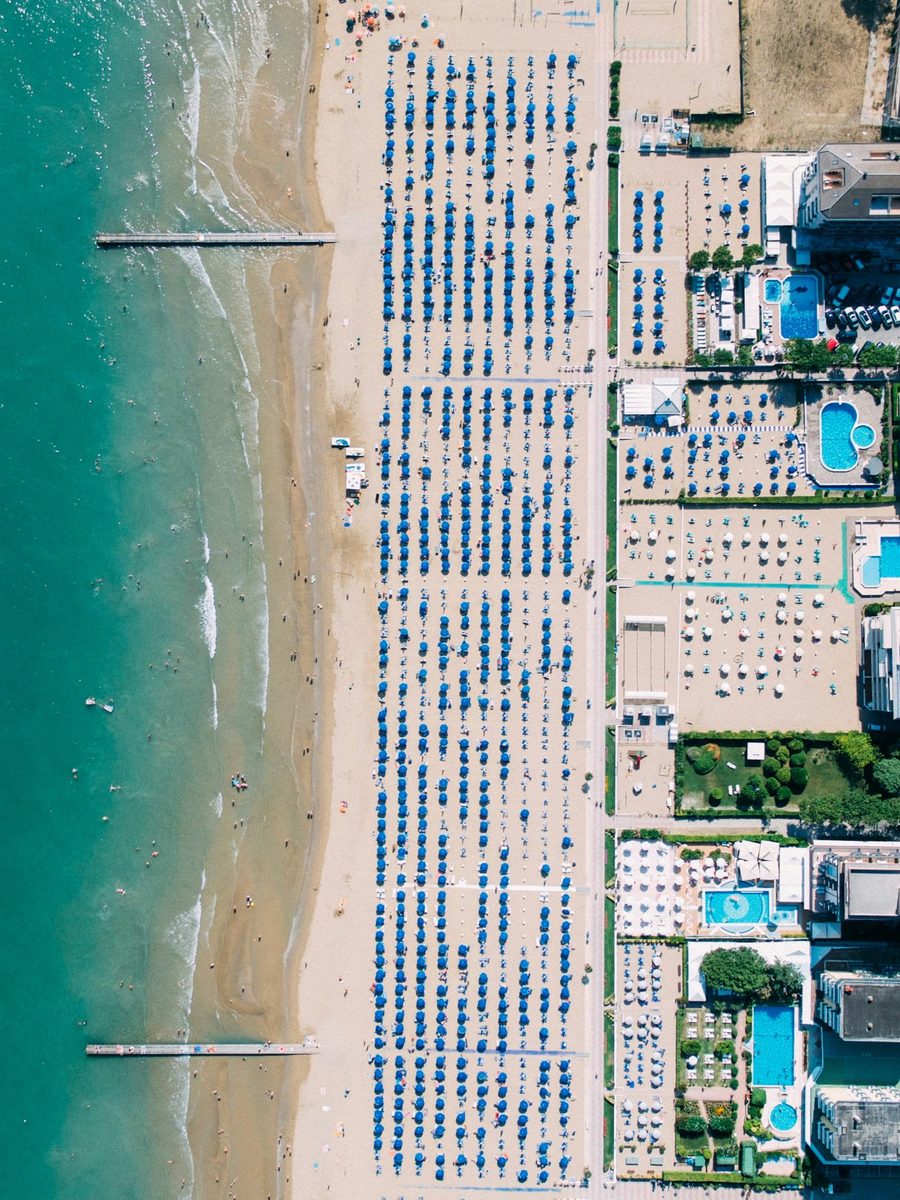
Fifteen kilometres of fine sand and a long seafront promenade. Busy and cheerful in summer, almost asleep in winter, which is exactly why it works for a holiday flat: it lets well in season and is easy to close up and leave. Newer seafront towers, some by internationally known architects, stand beside older apartment blocks that are often the better buy once properly checked.
Not sure where you belong yet?
Most people arrive with one place in mind and buy in another. Tell me how you want
to live, and I will tell you honestly where that exists and roughly what it costs.